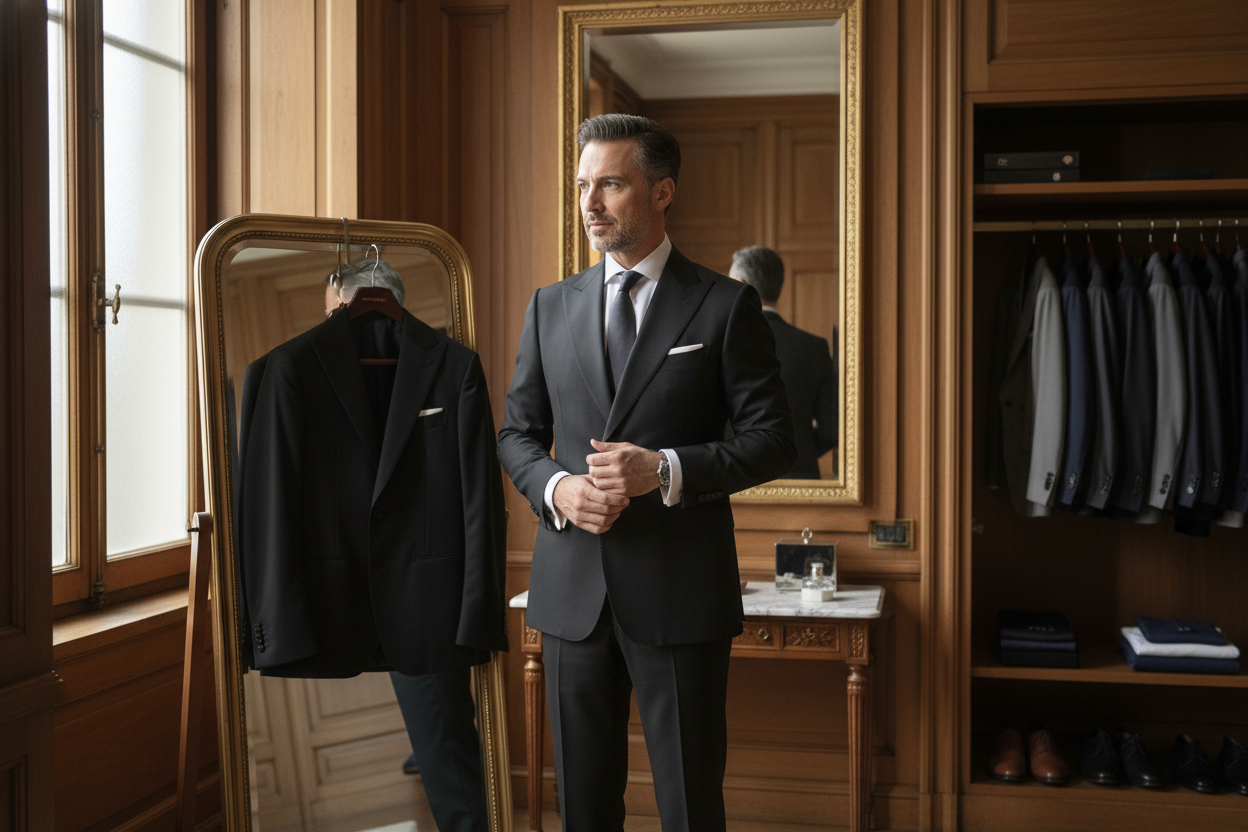
How to Choose Suit Colors for Every Professional Occasion: A Gentleman's Guide
The Art of Suit Color Selection
When it comes to making a lasting impression in professional settings, few elements speak as loudly as the color of your suit. The right suit color not only enhances your personal appearance but also communicates volumes about your understanding of social and professional contexts. For the modern gentleman navigating various professional landscapes, mastering how to choose suit colors becomes an essential skill that bridges personal style with situational awareness.
Color selection goes beyond mere aesthetics; it's a strategic decision that can influence how others perceive your authority, approachability, and attention to detail. Whether you're attending a board meeting, client presentation, or industry networking event, your suit color choice serves as a silent ambassador of your professional identity.
In this comprehensive guide, we'll explore the psychology behind different suit colors, build a versatile collection that serves multiple purposes, and learn how to match suit colors to specific professional settings. By understanding these principles, you'll develop the confidence to select suit colors that not only complement your complexion but also meet the expectations of various professional environments.
Understanding Suit Color Fundamentals
The Psychology Behind Different Suit Colors
Before diving into specific recommendations, it's important to understand what different suit colors communicate in professional settings:
Navy Blue: Often considered the most versatile suit color, navy conveys reliability, trustworthiness, and confidence without being as severe as black. It projects authority while remaining approachable, making it ideal for leadership positions and client-facing roles. Navy suits work exceptionally well in conservative industries while still offering enough character to stand out subtly.
Charcoal Grey: This sophisticated neutral communicates professionalism, intelligence, and stability. Slightly less formal than black but more serious than lighter greys, charcoal suits excel in formal business environments, interviews, and important meetings where you need to project competence without appearing overly dominant.
Black: The most formal suit color, black communicates authority, power, and formality. While perfect for formal evening events and certain high-stakes business settings, black can sometimes appear too severe for everyday business wear, particularly in creative industries or casual work environments.
Light Grey: More casual than its darker counterparts, light grey suits convey approachability and creativity. They're particularly effective in spring and summer months, creative industries, or business casual environments where you want to maintain professionalism while appearing more relaxed.
Brown: Brown suits, particularly in rich chocolate or coffee tones, project accessibility, reliability, and a certain earthy sophistication. They work well in creative fields, education, publishing, and environments where appearing approachable is advantageous.
Essential Suit Colors for Your Professional Wardrobe
Building a Versatile Collection from Core to Statement Pieces
When building a professional suit wardrobe, the strategic approach is to start with versatile foundation pieces before expanding to more specialized options:
Foundation Suits (First Purchases):
Navy Blue Suit: Consider this your wardrobe cornerstone. A well-tailored navy suit works across nearly all professional settings, from job interviews to client meetings, and can be dressed up or down depending on your shirt and accessory choices. Navy is universally flattering across skin tones and seasons, making it the ideal first investment.
Charcoal Grey Suit: As your second acquisition, a charcoal grey suit complements your navy option by providing a slightly different tone while maintaining maximum versatility. Together, these two suits can cover almost all professional scenarios when rotated properly.
Expansion Suits (Secondary Purchases):
Medium Grey Suit: Once you've secured your foundation pieces, a medium grey suit offers welcome variety while maintaining professional appropriateness. This shade works particularly well in transitional seasons and provides more styling options with different shirt and tie combinations.
Dark Brown Suit: For professionals who frequently work in creative fields or less formal business environments, a dark brown suit (think coffee or chocolate tones) provides sophisticated variety. Brown suits particularly complement warm skin tones and offer a distinguished alternative to the blue-grey spectrum.
Specialized Additions (Advanced Wardrobe):
True Black Suit: While not ideal for everyday business wear, a proper black suit serves essential functions for formal evening events, certain high-stakes business settings, and occasions like weddings or formal dinners.
Patterned Suit: Once you've established your solid-color foundation, consider adding a subtle pattern like a fine pinstripe, windowpane, or glen check in navy or grey. These add visual interest while remaining professional when the pattern is understated.
Seasonal Fabric Suit: Consider lightweight wool or linen-blend suits in lighter shades for summer, and heavier flannel or tweed options for winter. These specialized pieces enhance comfort while demonstrating sartorial knowledge.
When selecting these suits, remember that fit and fabric quality ultimately matter more than having numerous options. A small collection of impeccably tailored suits in high-quality fabrics will serve you better than a larger wardrobe of inferior pieces.
Matching Suit Colors to Specific Professional Settings
Industry-Specific Color Considerations and Expectations
Different professional environments have distinct expectations regarding appropriate suit colors. Understanding these unwritten rules helps you navigate various settings with confidence:
Finance, Banking, and Law: These traditionally conservative industries still maintain relatively strict dress codes. Navy, charcoal, and medium grey suits dominate, with subtle pinstripes acceptable in some contexts. Black suits are generally reserved for very formal meetings or evening events. Consistency and understated elegance are valued over fashion-forward choices.
Corporate Management: Executive-level positions typically call for dark, authoritative colors like navy and charcoal that project leadership and confidence. Quality becomes increasingly important at this level, with subtle details in tailoring and fabric making the difference. As you move up the corporate ladder, the expectation for impeccable suit choices increases.
Creative Industries: Marketing, advertising, design, and media companies typically allow greater flexibility in suit colors. While navy and grey remain safe choices, brown suits, olive tones, and more distinctive patterns become acceptable. The key is balancing creativity with professionalism; even in creative fields, overly casual or flamboyant choices can undermine credibility.
Sales and Client-Facing Roles: When meeting clients, consider both your company culture and the client's industry. When in doubt, skew slightly more conservative than your everyday office wear. Navy and charcoal suits create a trustworthy foundation, while medium blue or grey suits can work well for less formal client interactions.
Startups and Tech Companies: Even in traditionally casual environments, a well-chosen suit can set you apart for important meetings. Lighter greys, blues, and even carefully selected brown suits can project professionalism without appearing out of touch with the company culture. The key is looking appropriate without seeming rigid.
Specific Occasions:
Job Interviews: Navy and charcoal grey remain the gold standards, communicating seriousness and professionalism. Your suit choice should slightly exceed the company's everyday dress code to show respect for the opportunity.
Board Meetings: Dark, authoritative colors like navy and charcoal project confidence and competence. This is not the setting for experimental colors or patterns.
Client Presentations: Consider both your industry and the client's expectations. When presenting to conservative clients, navy or charcoal suits are safest. For creative industry presentations, you might have more flexibility.
Networking Events: Slightly more personality can be shown through suit color at industry events. Medium blue suits or subtle patterns can help you stand out appropriately while maintaining professionalism.
International Business: Research cultural expectations before traveling. Some cultures have specific color associations that differ from Western norms. For example, in some Asian countries, very light-colored suits might be considered inappropriate for serious business.
Mastering the Art of Suit Color Selection
The journey to understanding how to choose suit colors effectively combines knowledge of color psychology, industry expectations, and personal style. Remember that your suit color choices should reflect both the occasion and your professional goals while complementing your natural coloring.
Begin by investing in versatile foundation pieces like navy and charcoal suits that will serve you across multiple settings. As your wardrobe and confidence grow, gradually incorporate more specialized colors and patterns that express your individual style while respecting professional boundaries.
The most sophisticated professionals understand that suit color selection isn't about rigid rules but about making intentional choices that communicate the right message for each specific context. By mastering this balance between personal expression and situational awareness, you'll develop a signature style that enhances your professional presence while demonstrating your attention to detail.
Remember that confidence ultimately comes from knowing you're appropriately dressed for the occasion. When you understand how to choose suit colors that honor both the setting and your personal aesthetic, you create a foundation for professional success that extends far beyond mere appearance.